Sourcing replacement body panels for the Buick Enclave requires more than matching a vehicle name with a product photo. Model year, part type, left- or right-hand application, fitment requirements and packaging should all be confirmed before a bulk order is placed.
This is especially important when a buyer is sourcing parts for more than one Enclave model-year range. Products for 2013–2017 applications should not automatically be assumed to fit 2018–2020 vehicles, even when the part serves the same general function.
For importers, distributors and aftermarket body parts buyers, clear product identification at the quotation stage can help reduce ordering errors and simplify repeat purchasing.
Start With the Exact Model-Year Range
The first step is to identify the required Buick Enclave model-year range.
The current product range covers replacement hood and fender applications for:
- Buick Enclave 2013–2017
- Buick Enclave 2018–2020
These should be treated as separate applications during sourcing.
A request that only says “Buick Enclave body parts” may not provide enough information for accurate product selection. Buyers should therefore include the model year or year range whenever requesting a quotation.
This becomes even more important for distributors maintaining inventory for several vehicle generations at the same time.
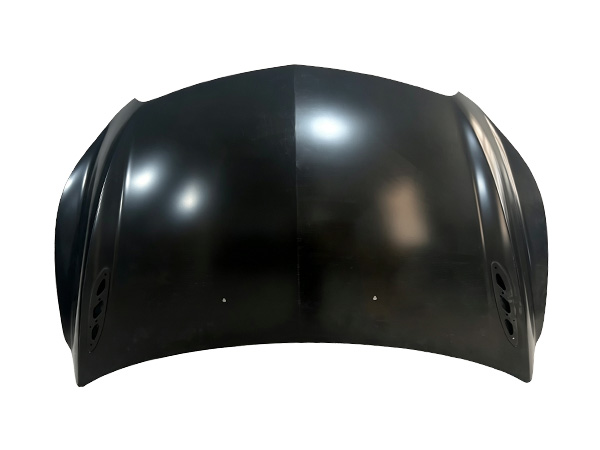
Confirm Whether You Need a Hood or Fender
A hood and a fender have different installation positions and purchasing requirements, so the required part type should be stated clearly.
The current range includes Buick Enclave Hood products for both the 2013–2017 and 2018–2020 applications.
When requesting a hood, buyers should confirm the relevant vehicle years and compare the product information with the intended application before placing a bulk order.
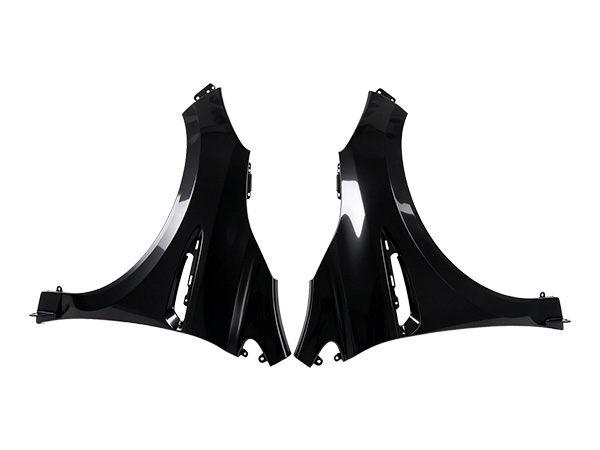
For fenders, an additional detail is required: the installation side.
Confirm LH or RH for Replacement Fenders
The current range also includes Buick Enclave Fender products for the 2013–2017 and 2018–2020 applications.
Unlike a hood, a Front Fender normally requires side identification.
Buyers should clearly specify:
- LH — left-hand side
- RH — right-hand side
- LH/RH — both sides when ordering a pair or mixed quantity
This may appear to be a small purchasing detail, but unclear side information can create avoidable problems in quotation, packing and inventory management.
For wholesale orders, purchase documents should ideally use the same side-identification convention throughout the order.
Do Not Assume Different Model-Year Parts Are Interchangeable
Parts serving the same function can still differ between vehicle generations or model-year groups.
Possible differences may involve overall geometry, mounting locations, surrounding panel relationships or other application-specific details.
Unless interchangeability has been specifically verified, buyers should not assume that a hood or fender for one Enclave year range can be used for another.
A safer sourcing process is:
1. Confirm the exact model and year range.
2. Confirm the required part type.
3. Confirm LH or RH when applicable.
4. Compare the supplied product information with the required application.
5. Use a sample or trial evaluation when necessary.
This process is particularly useful when adding a new vehicle application to an existing aftermarket product line.
Check Fitment Before Larger-Volume Purchasing
Fitment is an important consideration for replacement body panels because the part must work with the surrounding vehicle structure.
For a replacement hood, buyers may need to consider its relationship with nearby front-end components.
For a fender, alignment with surrounding panels and the wheel-opening area may also be relevant.
Fitment should therefore be evaluated as an application issue rather than judged only by the appearance of the panel.
For a new purchasing program, buyers can consider requesting a sample or smaller initial quantity before moving to larger volumes.
This provides an opportunity to check the product against the intended market application and establish inspection criteria for future orders.
Product Identification Matters for Repeat Orders
Repeat purchasing becomes easier when both buyer and supplier use consistent product identification.
For each Enclave body panel, purchasing records can include information such as:
- Vehicle model
- Applicable year range
- Part name
- LH or RH where relevant
- Buyer or supplier reference information where available
- Order quantity
- Packaging requirements
Keeping these details consistent helps reduce confusion when the same product is ordered again several months later.
This is especially useful for distributors carrying multiple replacement panels across different Buick models and model years.
Inspect Surface Condition Separately From Fitment
Fitment and surface condition are two different quality considerations.
A panel can have the correct application but still require inspection for transportation or handling damage.
When receiving body panels, buyers may need to check for issues such as:
- Dents
- Bent edges
- Scratches
- Visible deformation
- Packaging-related damage
The exact inspection criteria should depend on the product specification and agreed order requirements.
Separating fitment inspection from surface-condition inspection also helps buyers identify the source of a problem more accurately.
Packaging Should Be Considered Before Shipment
Hoods and fenders are relatively large automotive body parts with exposed surfaces and edges.
For B2B purchasing, packaging should therefore be discussed as part of the order rather than treated as an afterthought.
Buyers should consider whether the packaging method provides suitable protection against:
- Part-to-part contact
- Edge damage
- Movement during transportation
- Surface impact
- Incorrect handling or stacking
Requirements may vary depending on the part, order quantity and shipping method.
If a distributor has specific warehouse, container-loading or downstream repacking requirements, these should be communicated before the order is finalized.
What Should Buyers Confirm Before Requesting a Quote?
For Buick Enclave hood and fender inquiries, providing complete information can make product confirmation more efficient.
Before sending an inquiry, buyers should ideally prepare:
- Buick Enclave as the vehicle model
- Required model-year range
- Hood or fender as the required part
- LH or RH for fenders
- Required quantity
- Any available product reference information
- Packaging requirements if applicable
- Sample requirements for a new application
The more accurate the application information is at the beginning, the easier it is to reduce misunderstandings later in the purchasing process.
Should Buyers Order Samples First?
For an established application that has already been purchased and verified, buyers may follow their normal repeat-order process.
For a new application, however, sample evaluation can be useful.
A sample can help the buyer review:
- Product identification
- General dimensions and geometry
- Mounting compatibility
- Surface condition
- Packaging
- Fitment during trial installation where applicable
Sample evaluation does not replace clear product specifications, but it can provide an additional verification step before larger-volume purchasing.
Frequently Asked Questions
Are Buick Enclave 2013–2017 and 2018–2020 body panels interchangeable?
They should not be assumed to be interchangeable. Buyers should confirm the exact model-year application and product specification before ordering.
What information is needed when ordering a Buick Enclave fender?
Buyers should provide the model-year range and specify whether the required part is LH, RH or both sides.
Why is model-year information important for replacement body panels?
Vehicle designs and body-panel applications can change between model-year groups. Accurate year information helps identify the correct replacement part.
Is sample evaluation useful for wholesale buyers?
Yes. For a new application or purchasing program, a sample can help buyers evaluate product identification, fitment, surface condition and packaging before placing a larger order.
Source Buick Enclave Replacement Body Panels
For B2B buyers, successful replacement body panel sourcing starts with accurate application information.
When requesting Buick Enclave hoods or fenders, confirm the vehicle year range, part type, installation side where applicable, quantity and any relevant product requirements before placing the order.
Deerma's current product range includes hood and fender applications for Buick Enclave 2013–2017 and 2018–2020. Importers, distributors and other automotive aftermarket buyers can provide their required model year and part information when requesting product details or a quotation.



 WhatsApp
 Phone
Phone Email
Email Message
Comment
(0)